The Corporate Event Band Checklist Every Planner Needs
Author: Last Call
A corporate event is not a private party. The band is supporting a brand moment, not headlining it. The audience didn't pick the music, the budget came out of a marketing or HR line item, and the run-of-show is built around speeches, awards, and product reveals — never around the entertainment. Brief a live band wrong, and you'll spend three thousand dollars on volume that fights the CEO's keynote. Brief it right, and the band becomes the emotional accelerator that turns a competent program into the event of the year.
We've played hundreds of corporate events — annual kickoffs, product launches, holiday parties, leadership offsites, fundraising galas — and the planners who consistently produce the best ones share a checklist. The seven items below are that checklist. Use them to vet bands, brief them, and run the night.
1. Lead with the brand brief, not the song list
Most planners send bands a date, a venue, and a request for setlist samples. The pros send a one-pager: company tone, audience profile, what happens before and after the band plays, and what success looks like for the night. A great corporate band reverse-engineers the setlist from the brief — they aren't picking songs in a vacuum.
If your event is a Series C announcement for a fintech company, you want a different energy than a 25-year service anniversary for a manufacturing client. The songs may overlap, but the pacing, the volume curve, and the moments of audience attention are completely different. Give the band enough context to make those calls, and they'll deliver an event that feels custom — not a private-party setlist transplanted into a hotel ballroom.
A clean brief includes: company size and industry, average audience age, formality level (black tie vs. cocktail vs. smart casual), three adjectives for the desired vibe, and any songs or genres that are off-limits.
2. Plan around the program, not the clock
Corporate run-of-show is built around speeches, awards, product reveals, and the moment leadership leaves the room. Build the band's set blocks around those anchors, never the other way around. A 45-minute high-energy block right after the keynote does more for the event than a two-hour ambient stretch over dinner.
Common pattern that works: 30-minute reception background set during arrivals, music off during the program, 60–90 minute high-energy block after the program closes, optional 30-minute encore for the late-night crowd. That structure respects every speaker, gives the room a clear emotional release, and ends on a high note without overstaying the agenda.
Share the run-of-show with the band two weeks out. Update them on any changes within twenty-four hours. The bands who execute this format flawlessly will tell you the cue line they need from the AV team, the lighting state they want when they take the stage, and the exact second they'll wrap.
3. Match volume to format
Cocktail hour, dinner background, post-program dance floor — three completely different volume profiles, often in the same evening. Bands that can't dial themselves down to a sub-conversation level will tank the dinner program; bands that can't push up to room-filling rock energy will lose the dance floor after dessert.
Ask specifically about dynamic range, and ask for examples. A pro corporate band will describe how they handle each phase: a duo or trio configuration for cocktails, a stripped-down five-piece arrangement for dinner with the drummer playing brushes, and a full-volume set for after the program. They'll also bring an FOH engineer who can ride the volume curve in real time.
Have the band do a sound check that includes the dinner-volume setting, not just the dance-floor setting. The most common corporate music failure is a band that only knows how to play loud.
4. Vet the production crew, not just the band
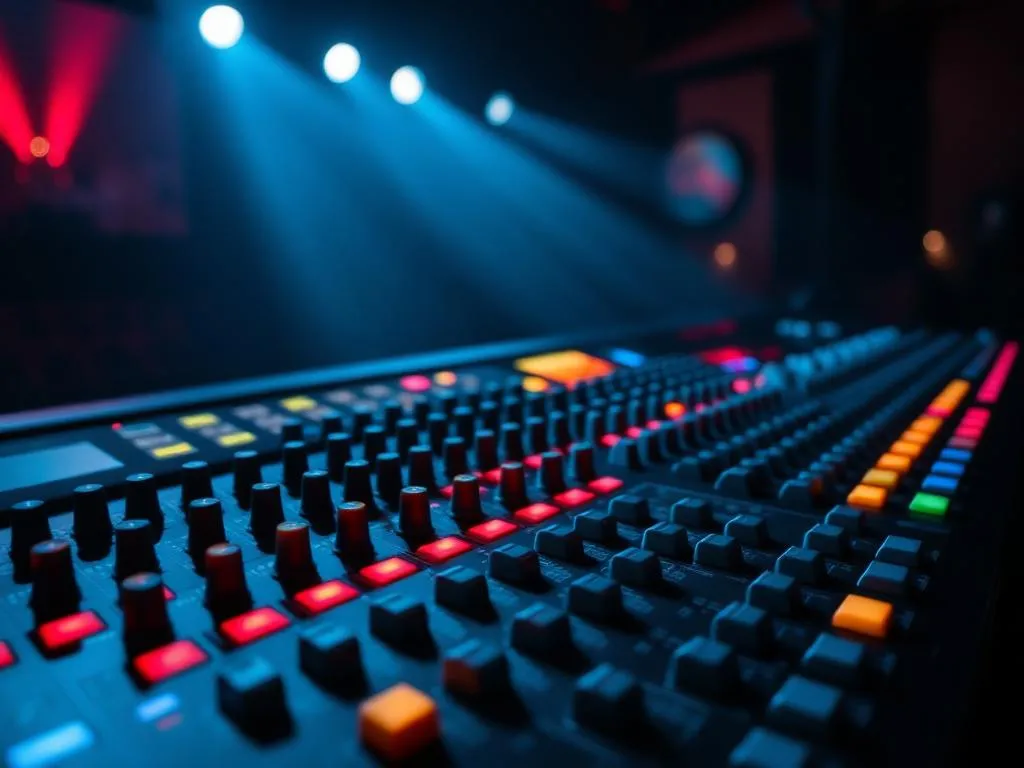
On corporate gigs, the front-of-house engineer matters as much as the singer. Ask who's mixing, what console they bring, and whether they've worked your venue. The difference between 'best event we've ever produced' and 'we couldn't hear the CEO' is one mediocre sound tech who didn't pre-walk the room with the venue's AV lead.
Ideal setup: the band travels with their own engineer, who arrives at the venue at the same time as the AV company and integrates into the AV plot for the night. The band's monitors are managed independently of the house PA, and the engineer is on radio with the production team for the entire show.
Get the engineer's name and contact info two weeks out. Loop them into your AV vendor's pre-event call. Treat them as the production peer they are — not as a vendor's assistant.
5. Demand discretion
Executive events have NDAs, off-the-record moments, security considerations, and brand-sensitive announcements that haven't gone public yet. Professional bands understand and respect all of it — no social posts, no name-dropping, no asking for selfies with leadership, no quoting CEO toasts in their next sizzle reel.
Put the discretion expectation in the contract explicitly. Most pro bands already have an NDA they're comfortable signing, and they'll volunteer it before you ask. If a band hesitates on confidentiality language, that's your signal that they don't understand the corporate environment well enough to be in the room.
6. Plan a clean fade-out
Corporate events end on time. Your band needs a tight 'last song' instinct — wrapping up exactly when the program calls for it, with no encore-bait, no extended outros, and no negotiation with the planner during the final number. The best corporate bands leave the room wanting more, not late.
Brief the music director on the hard stop, and brief them again at sound check. Confirm with the venue what their out-time means for the band: is sound off at 11pm, or is load-out done by 11pm? The two are forty-five minutes apart and the answer changes the band's final-song timing significantly.
Done right, the band ends two minutes before the program close, leadership takes the mic for a final thank-you, and your guests walk out with the room still buzzing. That's the corporate band gold standard.
Treat these seven points as your standing brief for every band conversation. They will save you weeks of vendor management, surface red flags before you sign a contract, and align the band, the AV team, and your run-of-show into a single coherent event. The bands who can speak fluently to all seven are the bands worth shortlisting.
Last Call works corporate calendars across LA, Orange County, and San Diego for tech, finance, hospitality, and entertainment clients. If you're planning a kickoff, a holiday party, or a high-stakes gala, we'd love to put a proposal together.
Ready to book the band?
Tell us about your event — quote within 24 hours.